
Is Hiring a Private Driver Safe for Solo Female Travellers in Morocco?
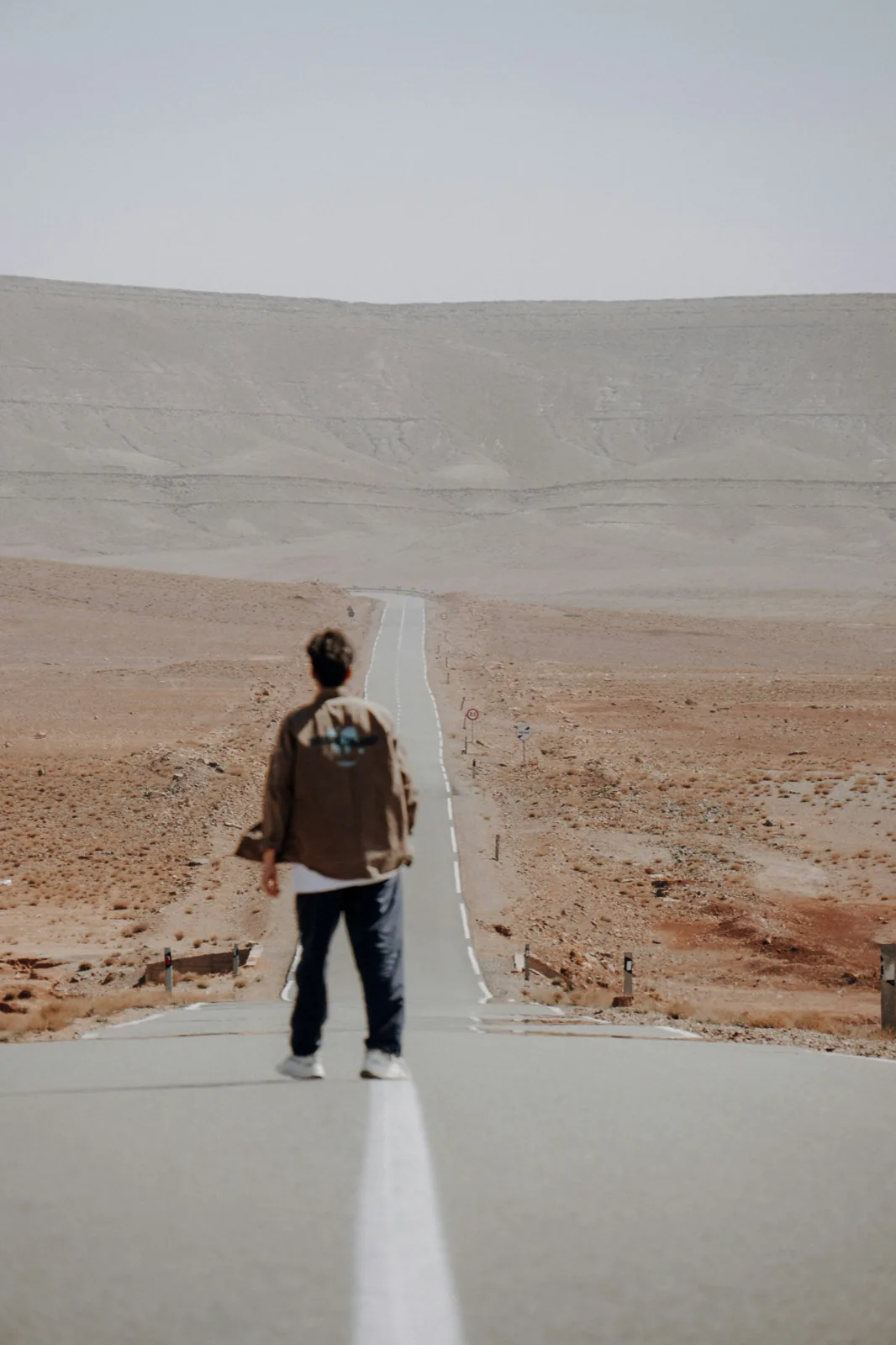
If you are a woman planning to travel Morocco alone, you have probably already read a hundred contradictory forum posts. Some say it is the best trip they ever took. Others describe persistent hassle in the medinas. Both are true, and the gap between those two experiences often comes down to logistics — above all, how you move between places.
Hiring a private driver is one of the most effective things a solo female traveller can do to make a Morocco trip comfortable. It is also the arrangement people worry about most, because it means spending hours in a car with a man you have never met. This guide addresses that honestly: how to vet a company, what boundaries look like in practice, what actually happens on a long desert drive, and where a driver genuinely protects you.
Why the driver question matters more for solo women
The friction most solo women report in Morocco is not danger. It is attention: persistent approaches from touts, faux guides who attach themselves at the medina gate, and the low-level exhaustion of being read as a target because you are visibly a foreign woman alone.
That friction concentrates at exactly the points where you are most vulnerable — arriving at a station or airport with luggage, standing at a taxi rank negotiating a fare, working out which of several men offering help is legitimate. A pre-booked driver removes all of those moments. You walk out of arrivals, someone is holding a board with your name, and you are in a car.
It also changes how you are perceived. A woman travelling with a known local driver is not an unaccompanied tourist to be approached. Our drivers regularly deflect touts at gates and drop-off points before you have noticed them.
How to vet a company properly
Not all operators are equal, and the vetting matters more than the price. Here is what to check.
Registration and insurance
Ask whether the company is a registered transport business with commercial insurance covering passengers. In Morocco, tourist transport is a licensed activity. A legitimate operator will answer this without hesitation. If the answer is vague, book elsewhere. You can see our own registration details on our about page.
Reviews written by people like you
Read reviews specifically from solo travellers and women. Generic five-star reviews tell you little; a review that says "I travelled alone and felt comfortable the whole way" tells you a great deal. Look at our reviews page and at independent platforms.
Written confirmation
Before you pay anything, you should have in writing: the driver's name, the vehicle, the exact route and dates, the total price, what is included, and a phone number that reaches a human. If a company will not put the itinerary in writing, that is a signal.
A named driver you can contact
Ask for the driver's name and number in advance. Being able to message him before arrival — to confirm the flight, or say you are through passport control — converts a stranger into a known contact.
Communication and boundaries in practice
This is the part nobody writes about, so let us be direct. A multi-day trip means many hours in a car with one person. Most drivers are professional, married, doing a job they have done for years, and entirely used to female clients travelling alone. But you are entitled to set the tone, and a good driver will follow your lead without offence.
- Front or back is your choice. Sitting in the back is completely normal and implies nothing. Many solo travellers do it to have space to read or nap.
- Silence is fine. You are not obliged to make conversation for nine hours. A professional driver will not take quiet personally.
- You choose the stops. If you want to stop, say so. If you do not want to stop at a particular shop, say so.
- Meals are separate unless you invite otherwise. Our drivers eat separately at rest stops as standard. Some travellers enjoy eating together; that is your call, not a default.
- If something is off, say it early. Contact the office, not just the driver. A serious company will change the driver without argument. We will.
Tell us at the booking stage if you would prefer a driver with a particular language or a specific temperament — for instance someone quieter on long routes. It is a normal request and we accommodate it.
What a long desert drive is actually like
The route from Marrakech to Merzouga is around 560 kilometres and nine hours of driving. Split over two days it is one of the great road journeys, but it is worth knowing the shape of it.
You cross the Tizi n'Tichka pass, drop to the southern plains via Ait Ben Haddou and Ouarzazate, then follow the Route of a Thousand Kasbahs through the Dades and Todra gorges. There are frequent stops — for photographs, for mint tea, for lunch at roadside restaurants your driver knows.
Phone signal is patchy in the gorges. That is normal, not a warning sign, but it is a reason to share your itinerary with someone at home before you leave, including the company name, driver name and hotel bookings.
At Merzouga the paved road ends. The handover to a desert camp happens at the dune edge, by camel or 4x4. Your driver waits in the village overnight and is there in the morning. Ask in advance whether your camp has private tents with en-suite bathrooms and how far it is from the road — camps vary enormously, and a well-run one makes a night in the Sahara one of the safest, calmest nights of the trip.
Where a driver acts as a protective guide
Beyond transport, a good driver does several things that matter specifically to a woman travelling alone:
- Drops you at the correct medina gate for your riad, so you are not walking unfamiliar lanes with bags
- Deflects touts and faux guides at gates, viewpoints and cafés
- Recommends restaurants where a woman eating alone is unremarkable
- Waits until you are safely inside before driving away — ask for this; ours do it as standard
- Explains local norms without judgement, from dress in rural areas to when photography is unwelcome
The legal limit: a driver is not a licensed guide
One practical point that surprises visitors. Moroccan law separates transport drivers from licensed guides. Your driver can take you anywhere and tell you about the country informally, but he cannot legally lead you through a monument or medina as a guide. Inspectors do check, and the fine falls on him.
For Fes, Marrakech and the Roman site at Volubilis, hire a licensed local guide for a few hours. We arrange this on request. It is not an upsell — it is the law, and a good guide is worth it in a medina you cannot navigate.
Practical checklist before you book
- Confirm the company is registered and insured for passenger transport
- Get the itinerary, total price and inclusions in writing
- Ask for the driver's name and phone number in advance
- Share the full itinerary with someone at home
- Confirm the vehicle has working seatbelts and air conditioning
- Ask whether your desert camp has private, en-suite tents
- Carry some cash in small notes for tips and rest stops
- Say explicitly if you want no shopping stops — this is a normal request
The honest summary
Thousands of women travel Morocco alone every year and have a wonderful time. A private driver does not remove every awkward moment, but it removes the specific moments that generate most of them: arrivals, taxi negotiations, unfamiliar roads at night and long transfers between cities.
If you are weighing it up, look at our vehicle options, read the reviews, and tell us your dates and route. Say that you are travelling solo when you write — we will confirm the driver, put everything in writing, and answer any question on this list before you pay anything.